
In 2025, sustainable living is not just a trend, it’s a necessity. Pollution, climate change, and resource depletion are forcing everyone to make lifestyle changes. I’ve personally adopted small sustainable steps in my daily life and experienced their benefits. In this blog, I’m giving you a complete step-by-step guide so you can easily adopt a sustainable lifestyle.
1. Energy Saving
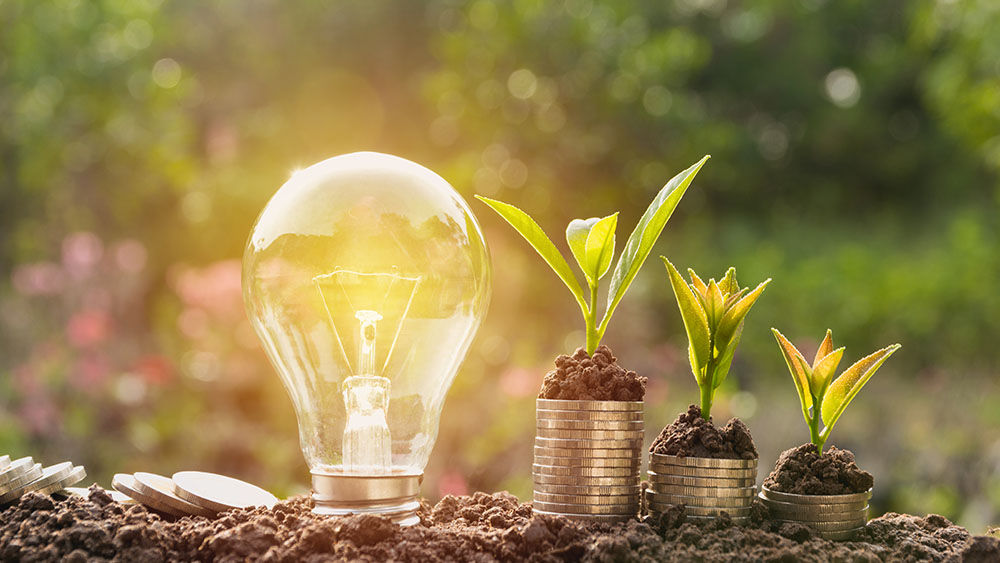
Personal Experience: I installed LED bulbs , energy-efficient appliances , and smart plugs
in my home . My electricity bill used to be very high, but now it’s reduced by about 30-40%.
Tips & Products:
- Philips LED bulbs – ₹200-₹400 per bulb.
- Energy-efficient refrigerator – LG, Samsung models starting ₹30,000.
- Smart plugs – Xiaomi, TP-Link ₹800-₹1500.
- Solar panels – Tata Power, Loom Solar starting ₹60,000 per kW.
💡 Tip: Don’t leave appliances in standby mode . Installing solar energy provides long-term savings and environmental benefits.
2. Plastic Free Lifestyle
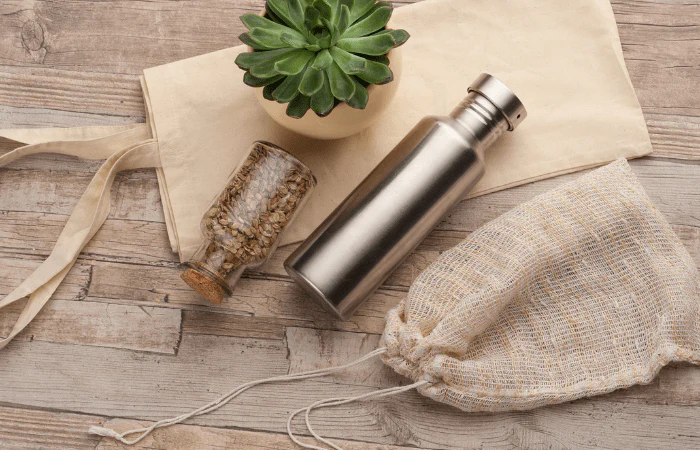
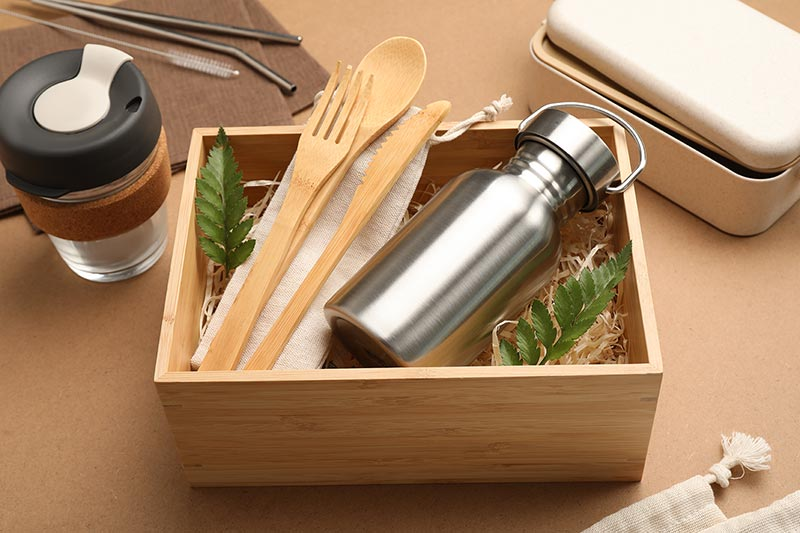
Plastic pollution is a huge challenge. I have now started avoiding single-use plastics completely.
Tips & Products:
- Reusable cloth bags – Amazon ₹200-₹500 per pack.
- Stainless steel water bottles – Milton, Cello ₹400-₹1200.
- Eco-friendly straws – Bamboo, stainless ₹50-₹150.
- Online shopping में eco-friendly packaging select करें।
Personal Experience:
I always carry a reusable bag when I go to the market. It makes me feel like I ‘m protecting the environment in my daily life.
3. Water Conservation
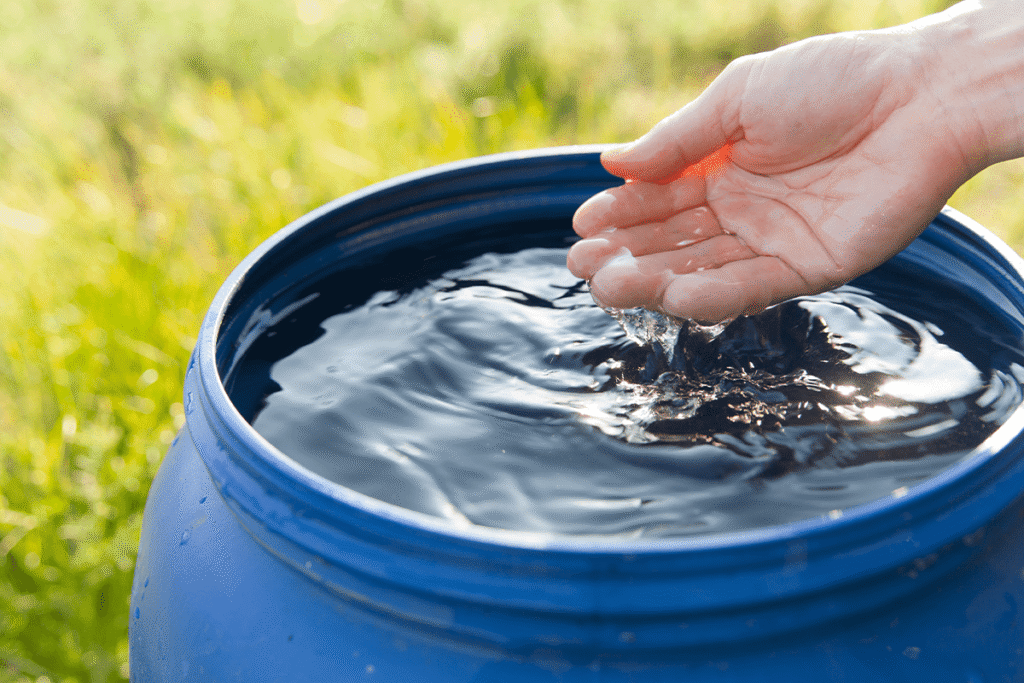
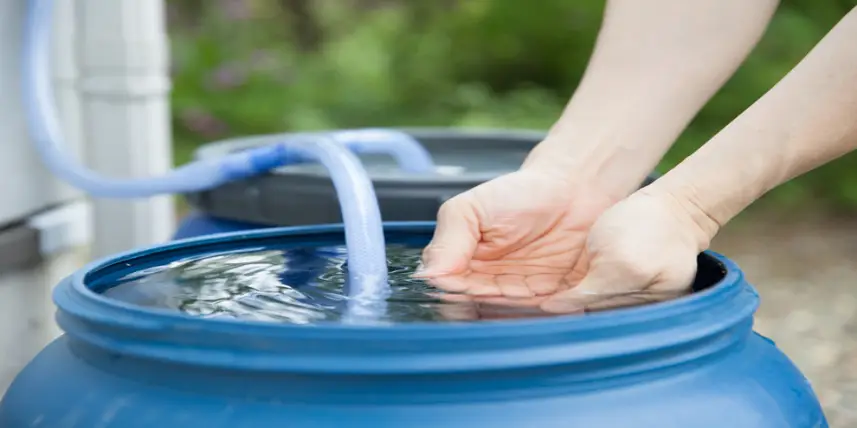
Water scarcity is a real threat in 2025. I installed low-flow faucets and showerheads in the house.
Tips & Products:
- Jaquar / Kohler low-flow taps – ₹2000-₹5000.
- Rainwater harvesting setup – ₹25,000-₹50,000 per setup.
- Take short showers, run the washing machine or dishwasher only at full load .
Personal Experience:
Rainwater harvesting also saves water in the garden and reduces bills.
4. Plant-Based Diet
Experience:
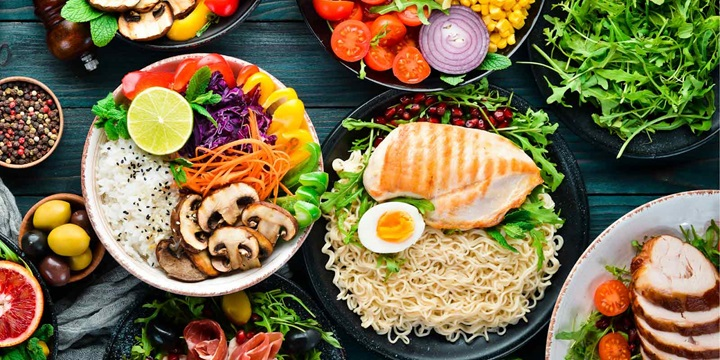
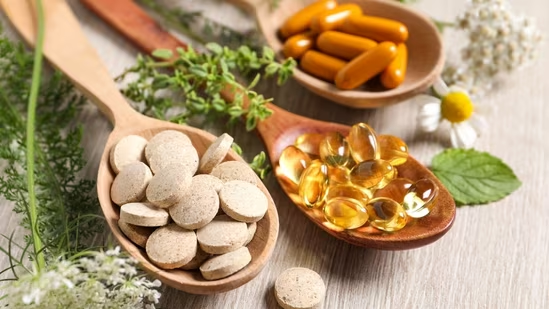
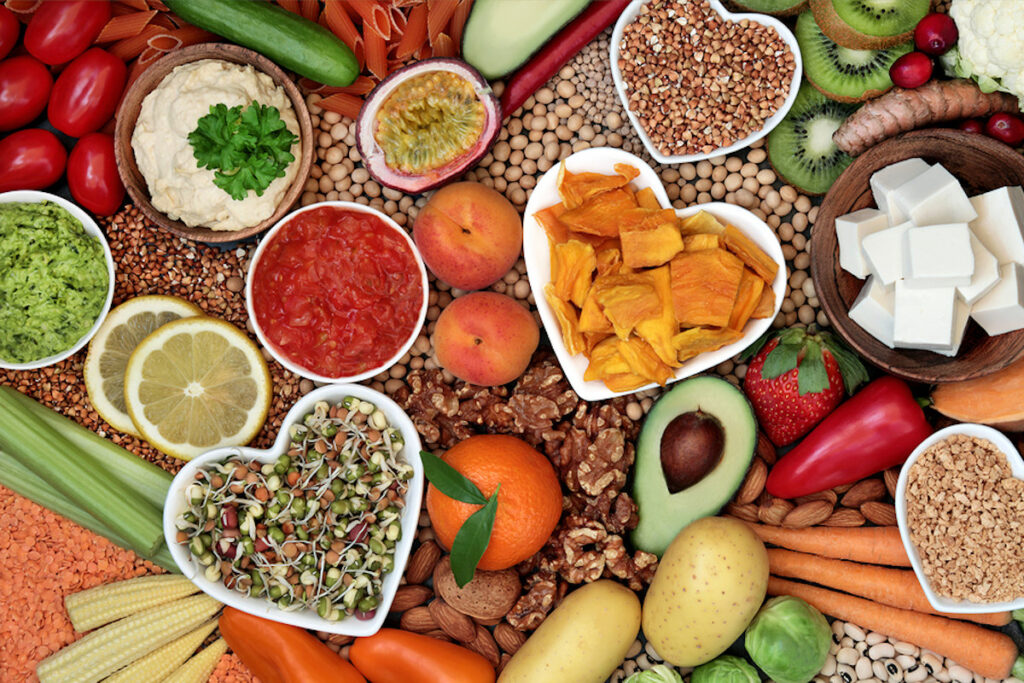
I reduced my meat intake and adopted a plant-based diet . This improved my digestion and increased my energy levels.
Tips & Products:
- Plant-based milk – Soy, Oat, Almond ₹250-₹400/litre (Almond Breeze, Silk).
- Vegan snacks – Urban Platter, Nourish Organics ₹100-₹500.
- Buy local and seasonal vegetables, prefer organic.
💡 Tip: Go vegetarian or vegan for 2-3 days each week. Your carbon footprint will also be lower.
5. Sustainable Fashion (Eco-Friendly Clothing)
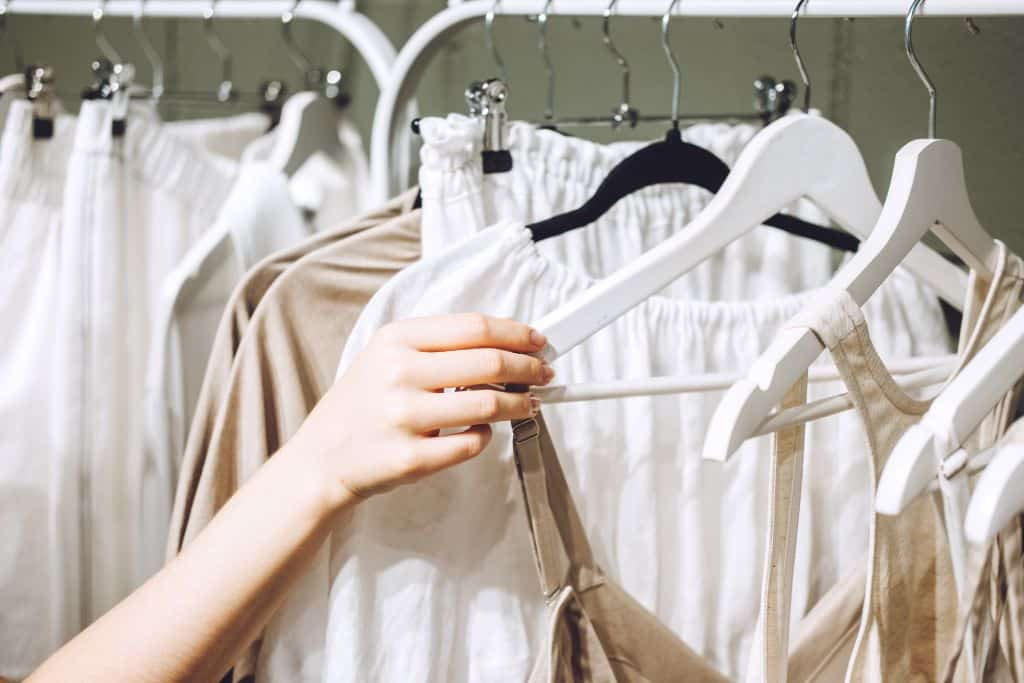
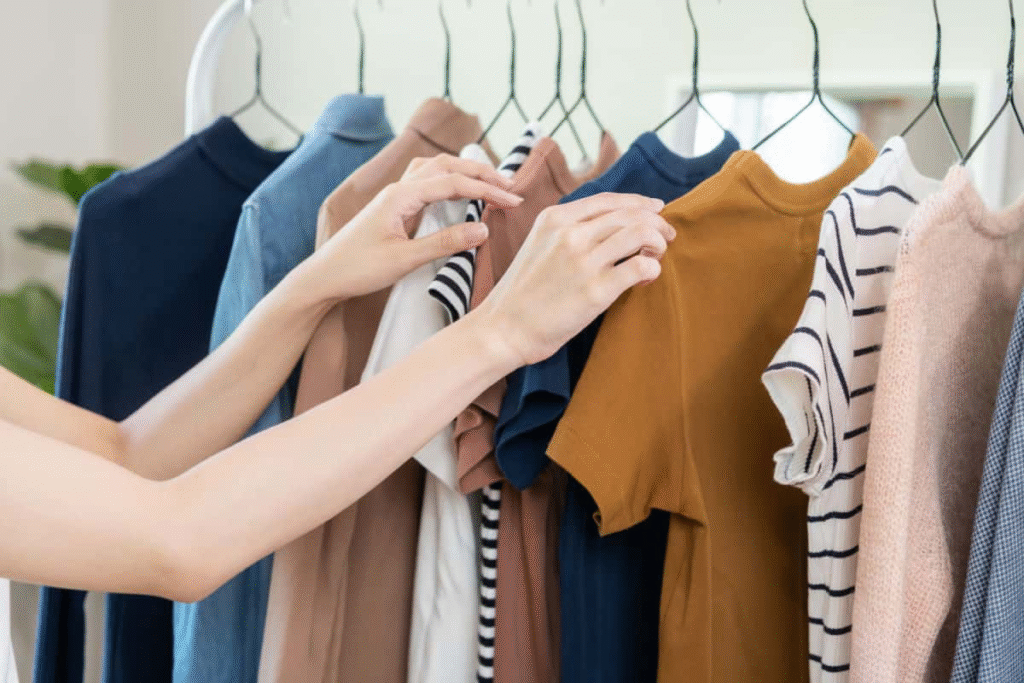
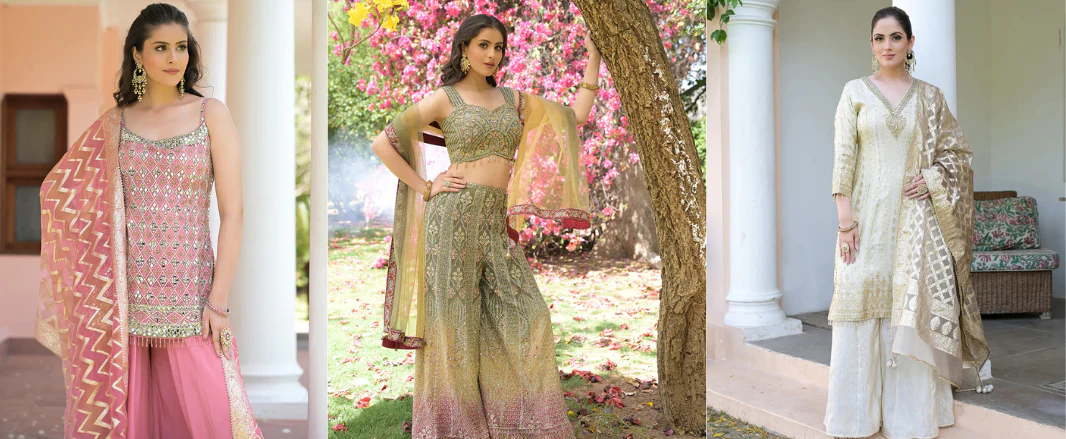
The fashion industry is one of the most polluting industries. I’ve started to prefer slow fashion and second-hand clothes .
Tips & Products:
- Natural fibers (cotton, linen, hemp) – Fabindia, B Label ₹1000-₹5000 per outfit.
- Second-hand stores / online resale – OLX, Poshmark, Thriftly.
- Donate or resell clothes, this will reduce waste.
Personal Story:
I resold 20 outfits last year and purchased new eco-friendly fabrics. It feels great to reduce waste.
6. Waste Management
Experience:
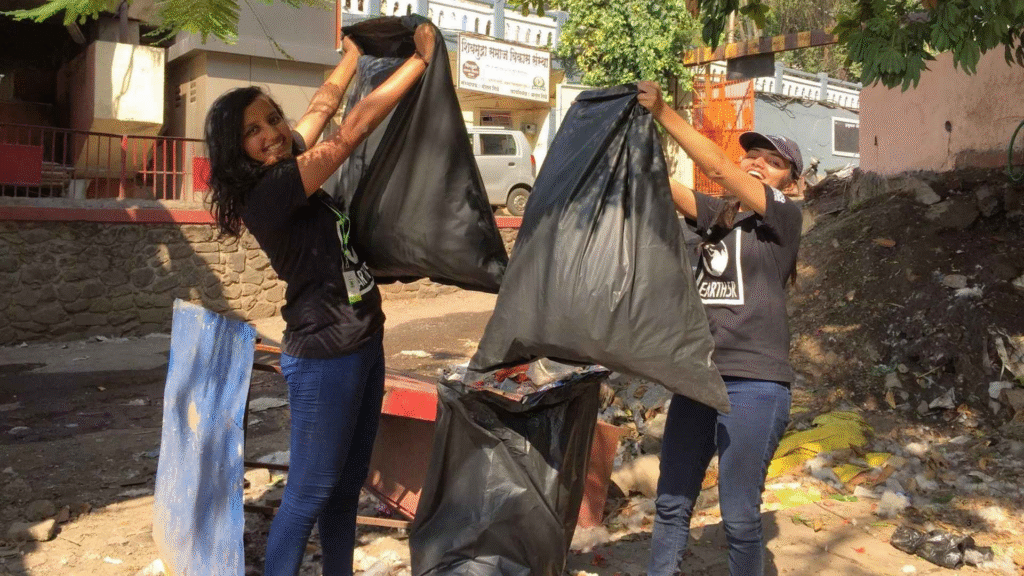
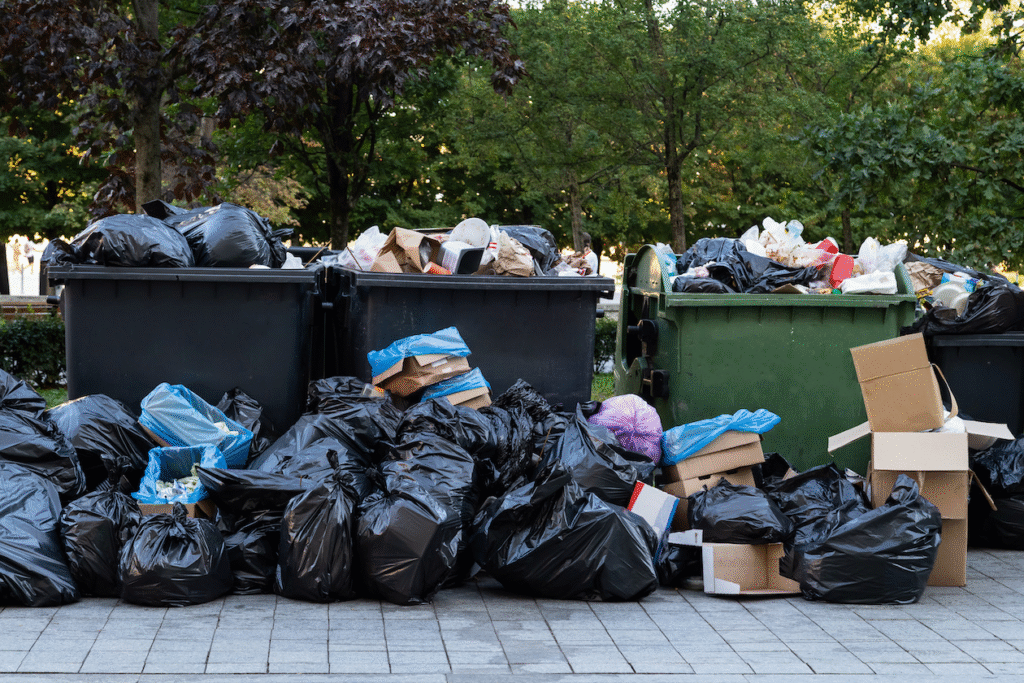
I set up bins at home to separate wet and dry waste . I started composting.
Tips & Products:
- Kitchen compost bin – ₹1000-₹2000 (Amazon, Flipkart).
- Recycle – paper, plastic, e-waste separate करें।
- Reduce food waste, use leftovers creatively.
💡 Tip: Composting also produces organic fertilizer.
7. Green Transportation (Eco-Friendly Travel)
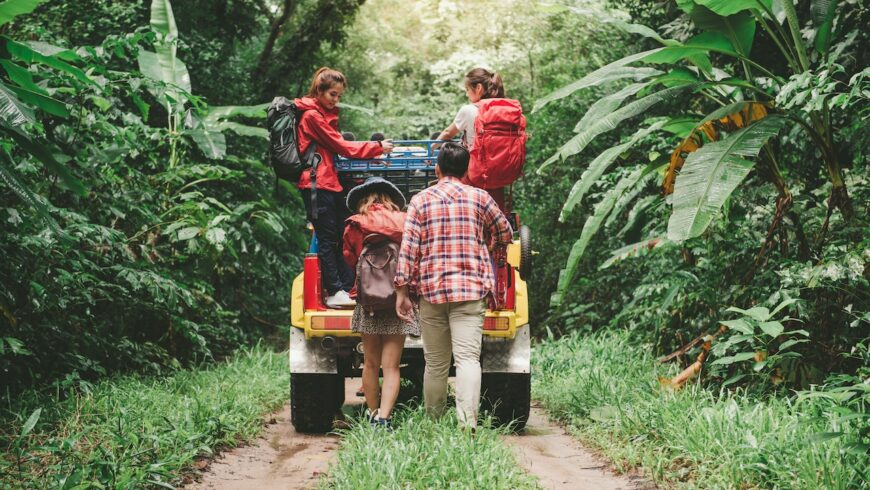
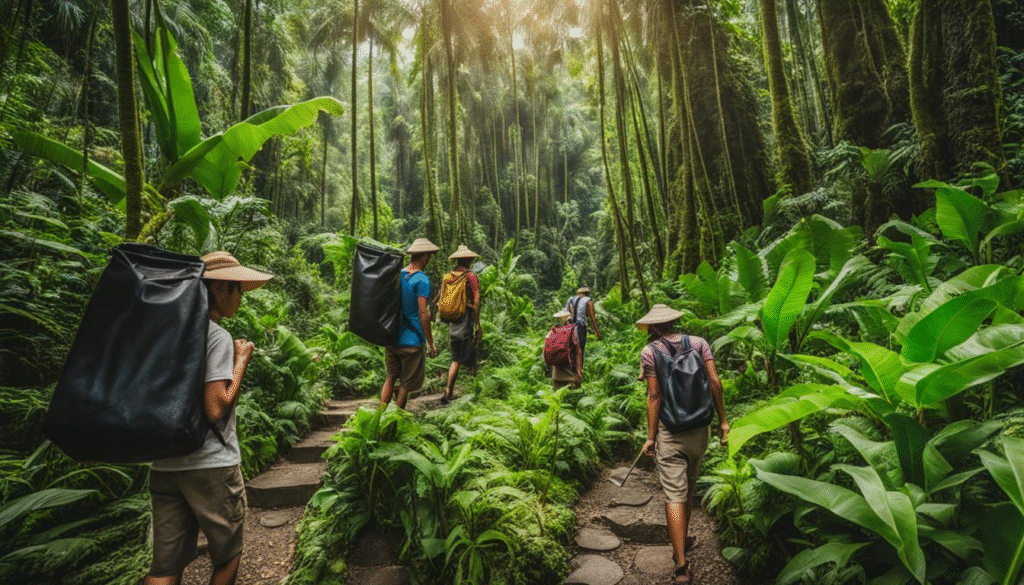
Personal Story: I now use a bike or public transport
for short trips . I prefer an electric vehicle for long distances.
Tips & Products:
- Electric scooters – Ola S1, Ather 450X ₹1.2-₹1.5 Lakh.
- Carpooling – BlaBlaCar, Quick Ride.
- Prefer walking and cycling.
Experience:
Using public transport reduces traffic stress and fuel costs.
8. Eco-Friendly Home Decor
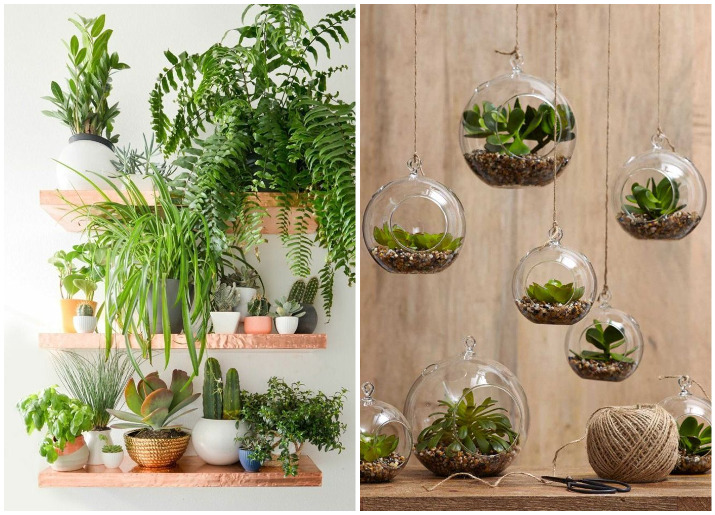
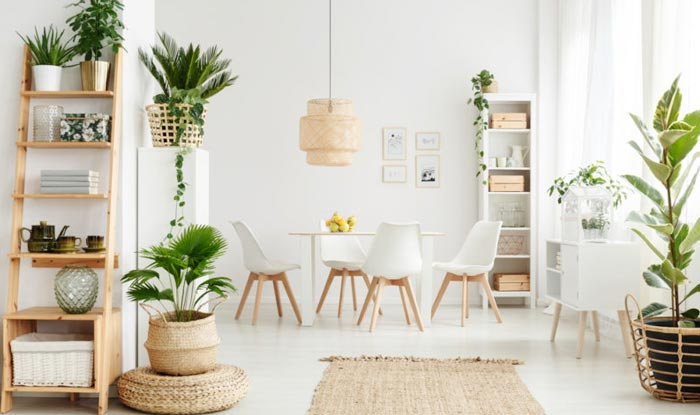
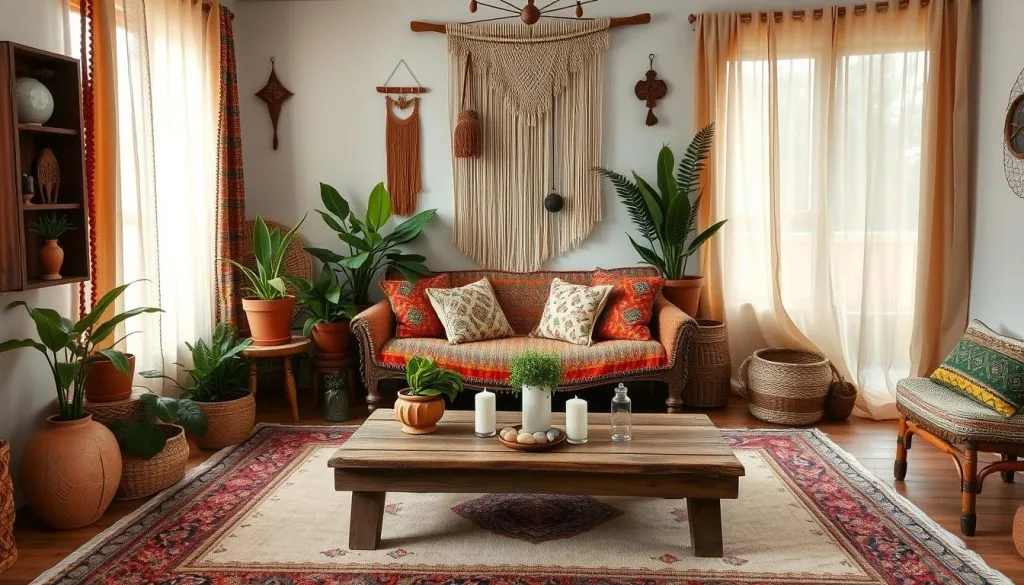
Tips & Products:
- Recycled materials furniture – Urban Ladder, Wooden Street ₹5000-₹50,000.
- Indoor plants – Air-purifying (Areca Palm, Snake Plant) ₹200-₹1500.
- Use LED lights and natural dyes.
💡 Tip: Use natural materials and recycled furniture in home decor, both environment friendly and stylish.
FAQs
Q1. Is sustainable living expensive?
A: It may require some initial investment, but it offers long-term cost-saving and environmental benefits.
Q2. Is a plastic-free lifestyle completely possible?
A: Not completely, but significant reduction is achievable.
Q3. How to implement small changes in daily life?
A: Start with small steps like reusable bottles, LED lights, short showers, composting.
Q4. Where to buy eco-friendly fashion?
A: Sustainable clothing can be found on websites like Fabindia, B Label, Thriftly, Poshmark.
Conclusion
Sustainable living is not just a trend in 2025, it is our responsibility . By adopting small steps like energy saving, water conservation, a plant-based diet, eco-fashion, and waste management, you can protect the environment , improve your personal health, and also achieve financial savings.
💡 Tip: Take advantage of technology and awareness, slowly make your lifestyle eco-friendly .
#SustainableLiving2025 #EcoFriendlyLifestyle #PlasticFree #WaterConservation #GreenLiving #PlantBasedDiet #EcoFashion #SaveThePlanet #SustainableTips #EnvironmentFriendly #Carrerbook #Anslation





Leave a Reply