
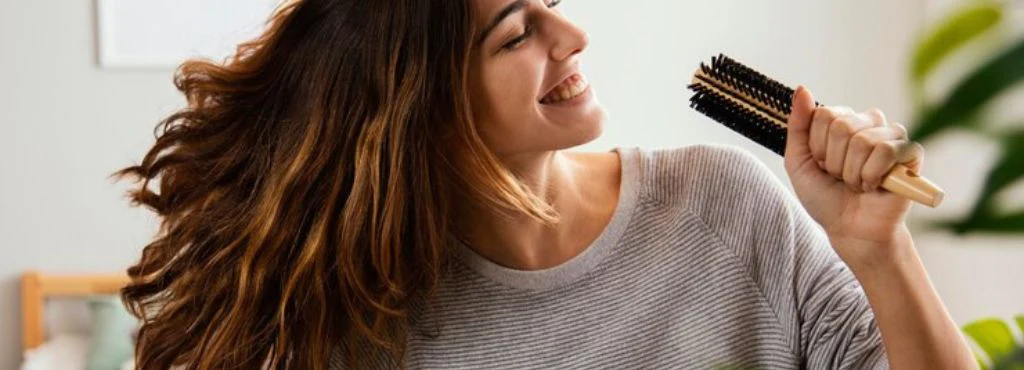
Your hair is one of the most important features of your appearance, and it’s important to keep it healthy and vibrant. Whether you’re dealing with split ends, breakage, or dry hair, preventing hair damage is essential to maintain shiny, strong, and beautiful strands. Here are some expert tips that can help protect your hair and keep it looking its best!
1. Choose the Right Shampoo and Conditioner
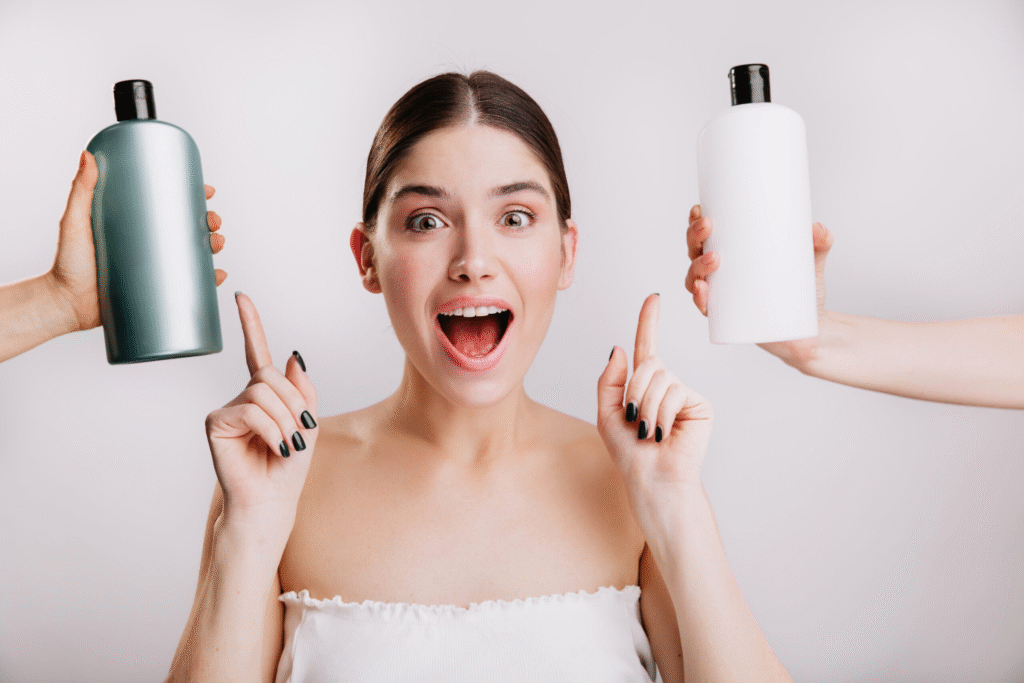
The foundation of healthy hair starts with choosing the right shampoo and conditioner for your hair type. If you have dry or damaged hair, opt for moisturizing formulas that provide hydration. For oily hair, use a lightweight shampoo that won’t weigh down your strands. Avoid products with sulfates and parabens, as these can strip your hair of its natural oils, leading to dryness and damage over time.
Pro Tip: Always choose sulfate-free shampoos if you have color-treated or sensitive hair.
2. Don’t Over-Wash Your Hair
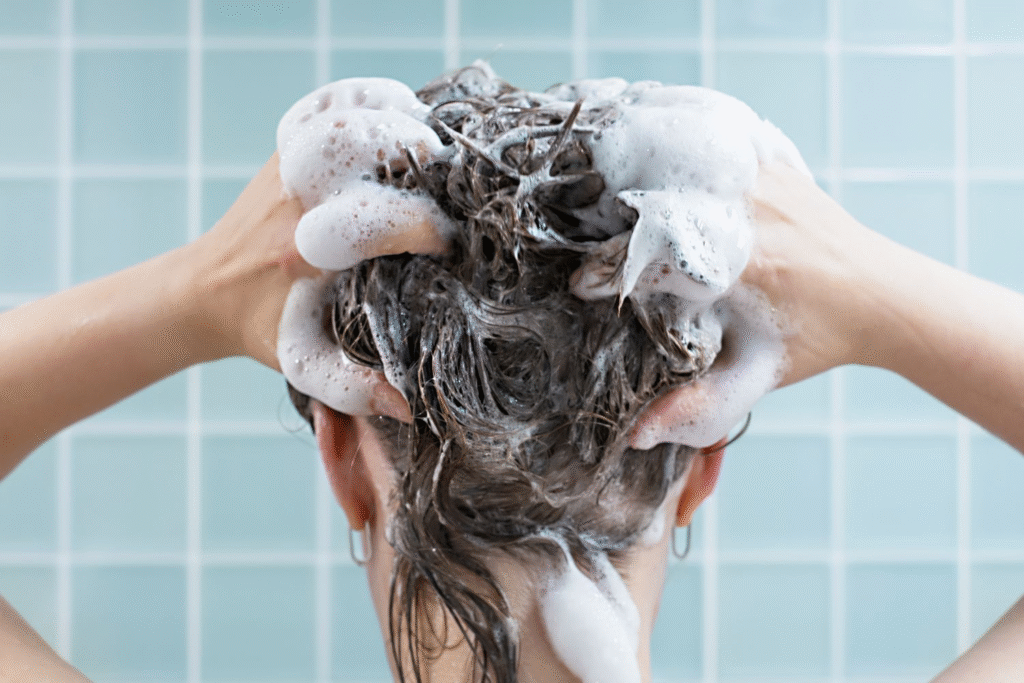
Washing your hair too frequently can strip it of natural oils, leaving it dry and prone to damage. Try to wash your hair every 2-3 days, or even less if possible. This allows your scalp to retain its natural oils, which keep your hair healthy and moisturized.
Pro Tip: Use a dry shampoo between washes to keep your hair fresh without over-washing.
3. Avoid Heat Styling Tools
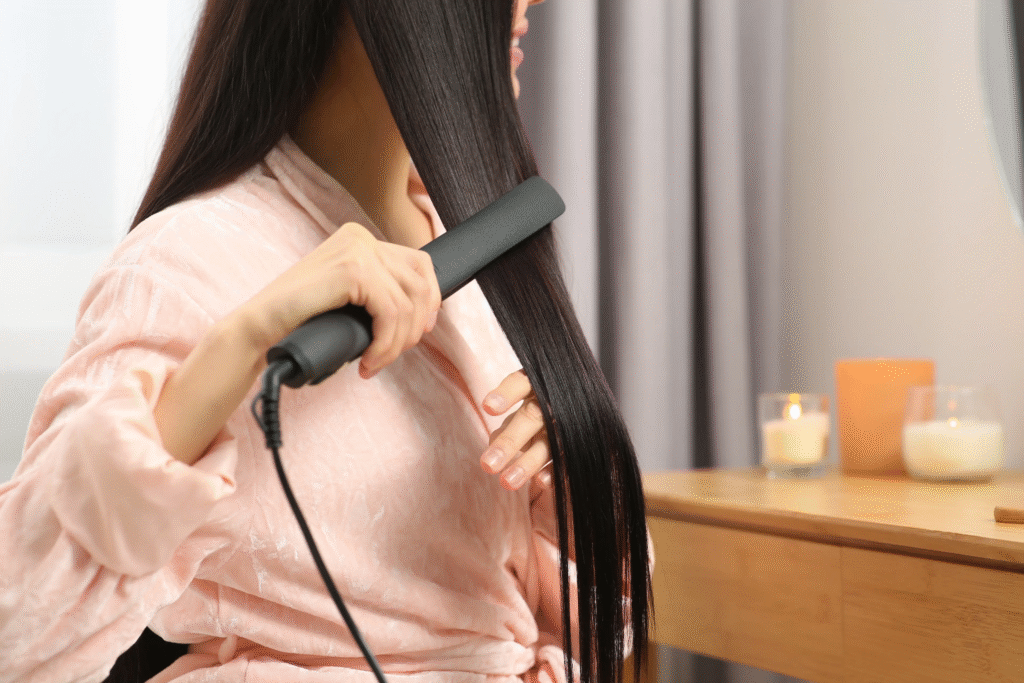
Frequent use of heat styling tools like flat irons, curling irons, and blow dryers can cause severe damage to your hair. The high temperatures can weaken the hair shaft, leading to split ends and breakage. If you must use these tools, always apply a heat protectant spray before styling.
Pro Tip: Lower the temperature on your styling tools to reduce heat damage and limit use to once or twice a week.
4. Get Regular Trims
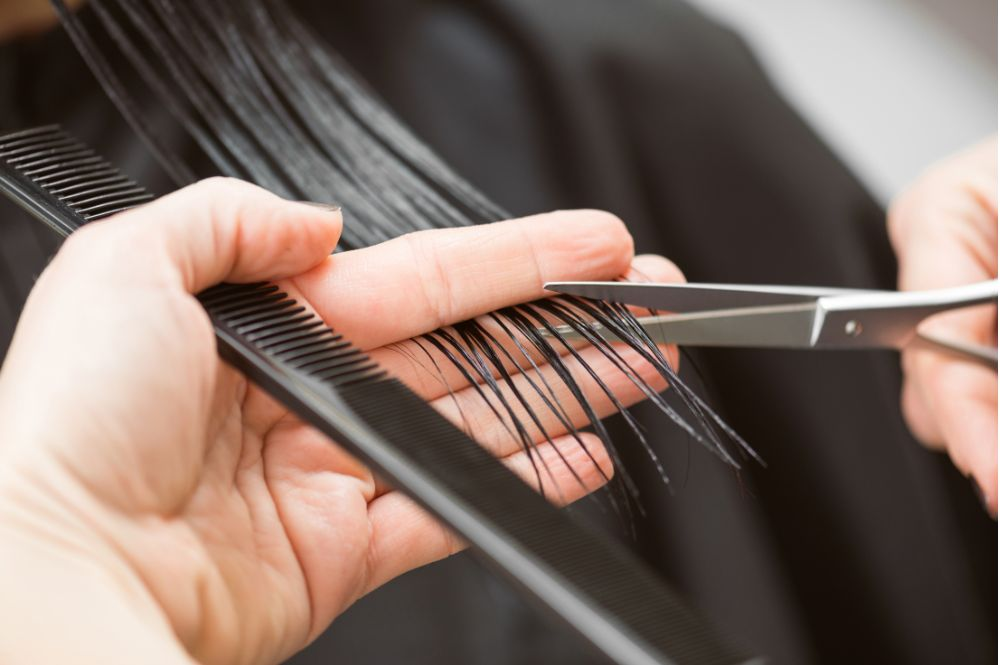
One of the simplest ways to prevent hair damage is to get regular trims. Cutting off the split ends ensures that your hair remains healthy and prevents the damage from spreading up the hair shaft. Aim for a trim every 6-8 weeks to keep your hair looking fresh and full of life.
Pro Tip: If you have long hair, ask your stylist to trim only the ends to keep length intact.
5. Protect Your Hair from the Sun

Just like your skin, your hair can suffer from sun damage. The UV rays can cause hair color to fade, dry out the strands, and make them brittle. When you’re out in the sun for extended periods, wear a hat or use hair products with UV protection.
Pro Tip: Look for leave-in conditioners or sprays that contain SPF to protect your hair from harmful UV rays.
6. Hydrate Your Hair
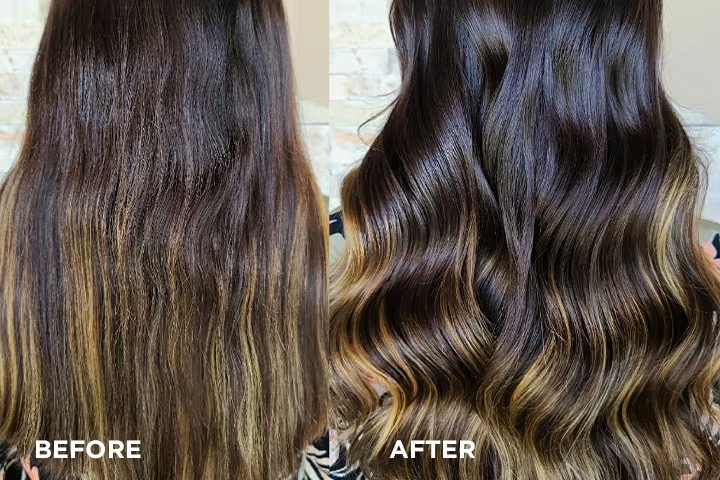
Just as you hydrate your body, your hair needs moisture too. Use deep conditioning treatments or hair masks at least once a week to restore moisture to dry and damaged hair. These treatments penetrate the hair shaft to provide nourishment and improve texture.
Pro Tip: Avocado, coconut oil, and honey are all great natural ingredients for DIY hair masks.
7. Be Gentle When Towel-Drying
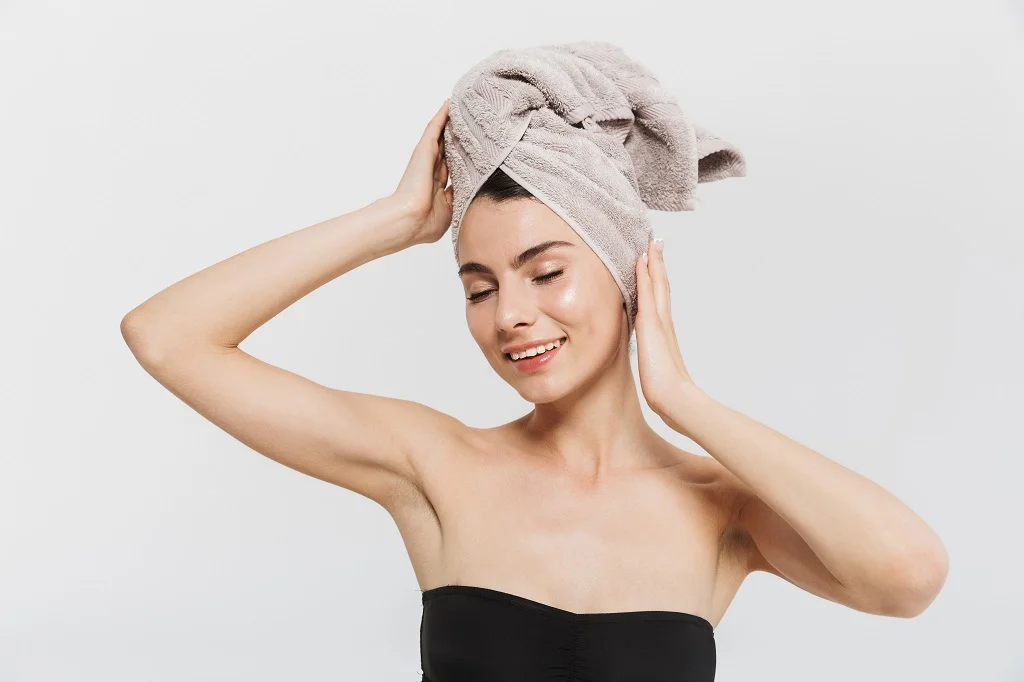
After a shower, avoid vigorously rubbing your hair with a towel. This can cause friction and lead to hair breakage. Instead, gently pat your hair with a soft towel or wrap it up to absorb excess water. If possible, let your hair air dry to minimize heat damage.
Pro Tip: You can also use a microfiber towel to reduce frizz and hair breakage.
8. Use a Wide-Tooth Comb or Fingers
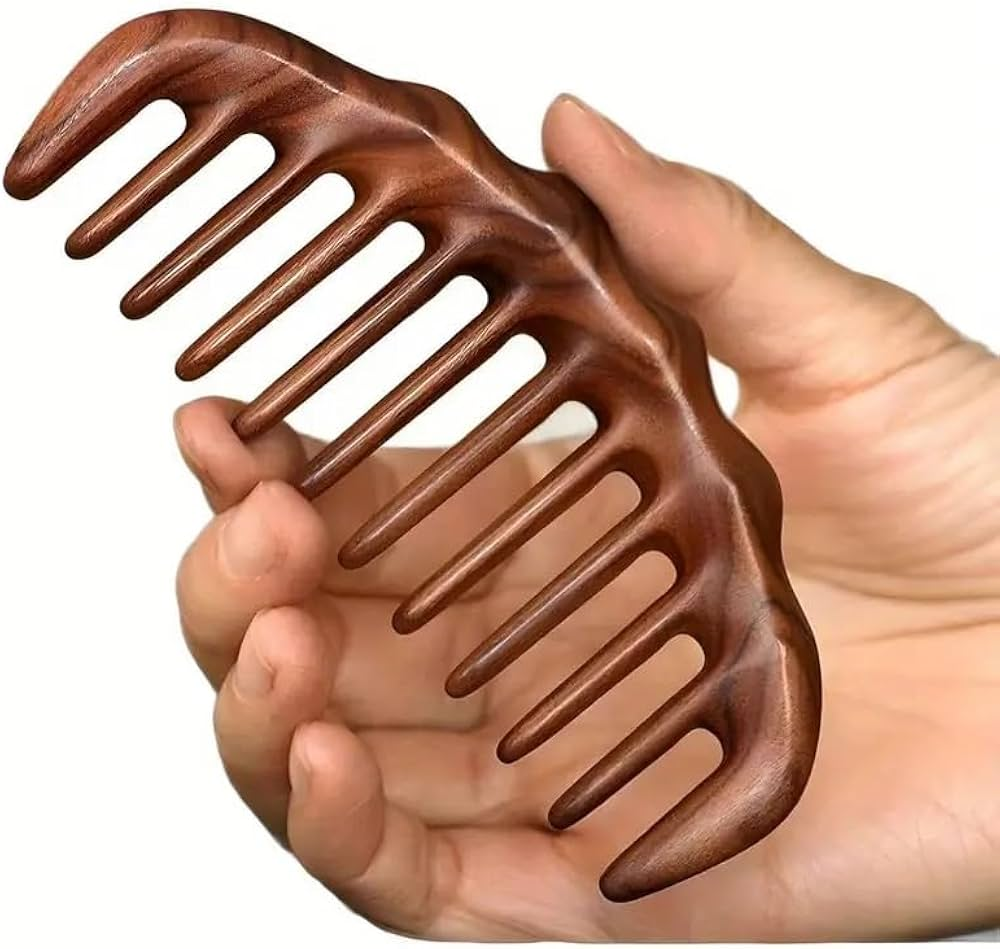
Wet hair is particularly fragile and can break easily. Avoid brushing wet hair with a fine-tooth comb, as this can lead to unnecessary breakage. Instead, use a wide-tooth comb or your fingers to gently detangle your hair. Start from the tips and work your way up to avoid putting too much stress on the hair.
Pro Tip: Try detangling your hair in sections to prevent breakage and minimize tangling.
9. Avoid Tight Hairstyles
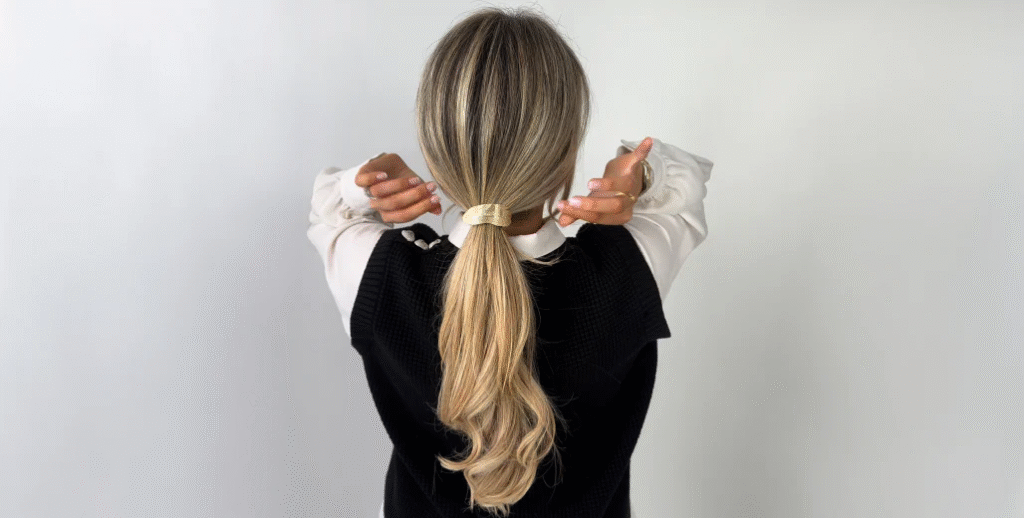
Tight ponytails, braids, and buns can cause tension on your hair, leading to breakage and even hair loss in some cases. If you love wearing your hair up, make sure to choose looser hairstyles, and opt for fabric-covered hair ties that are gentler on your strands.
Pro Tip: Give your hair breaks from tight hairstyles to allow it to recover and grow.
10. Opt for Silk or Satin Pillowcases
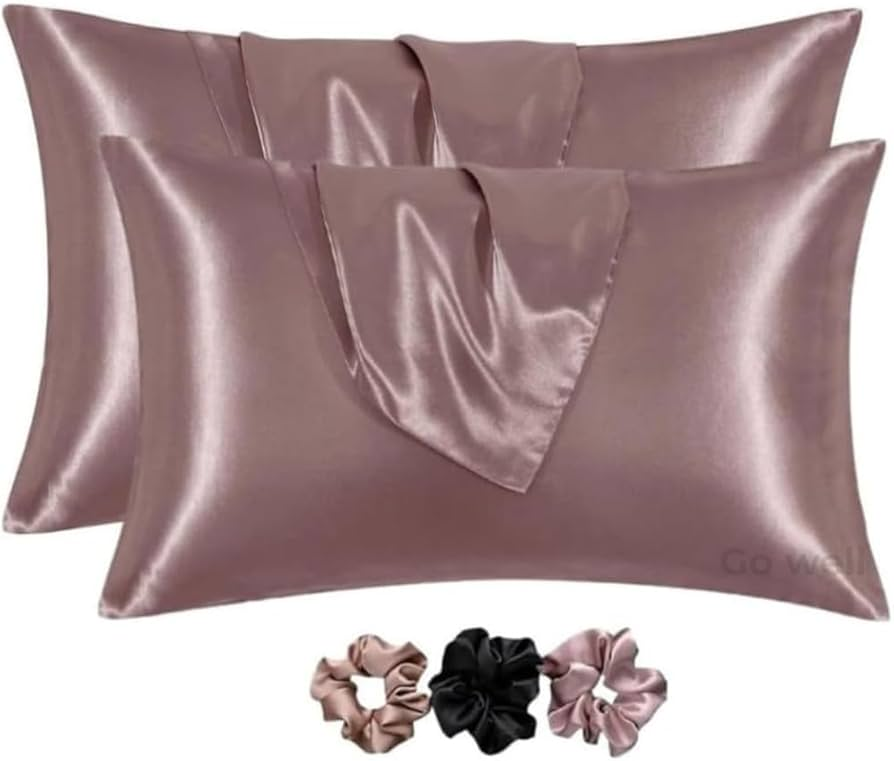
Cotton pillowcases can cause friction, leading to frizz and breakage. Switching to a silk or satin pillowcase can help prevent hair damage while you sleep. These materials are much gentler on your hair and help maintain its moisture levels.
Pro Tip: You can also wear a silk or satin hair bonnet for extra protection against hair breakage.
Conclusion:
Preventing hair damage doesn’t have to be complicated. By following these essential tips, you can keep your hair looking strong, shiny, and healthy for years to come. Remember, the key to healthy hair is consistency, so make these habits a part of your routine, and you’ll see the difference in no time!
This blog provides general hair care advice. For personalized recommendations, it’s always best to consult with a professional stylist or dermatologist.
#HealthyHair #HairCareTips #HairProtection #HairCareRoutine #PreventHairDamage #StrongHair #HealthyStrands #HairCareGuide #Carrerbook #Anslation






Leave a Reply